
Prescient IAM
What we do
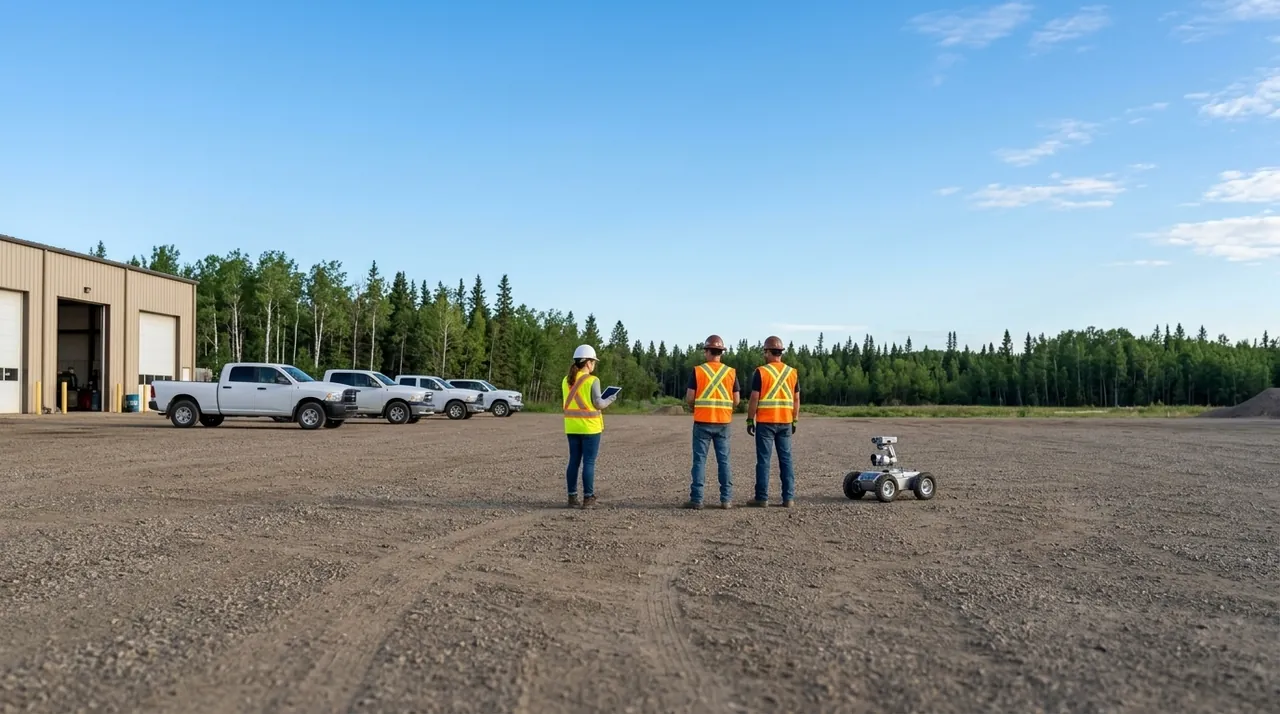
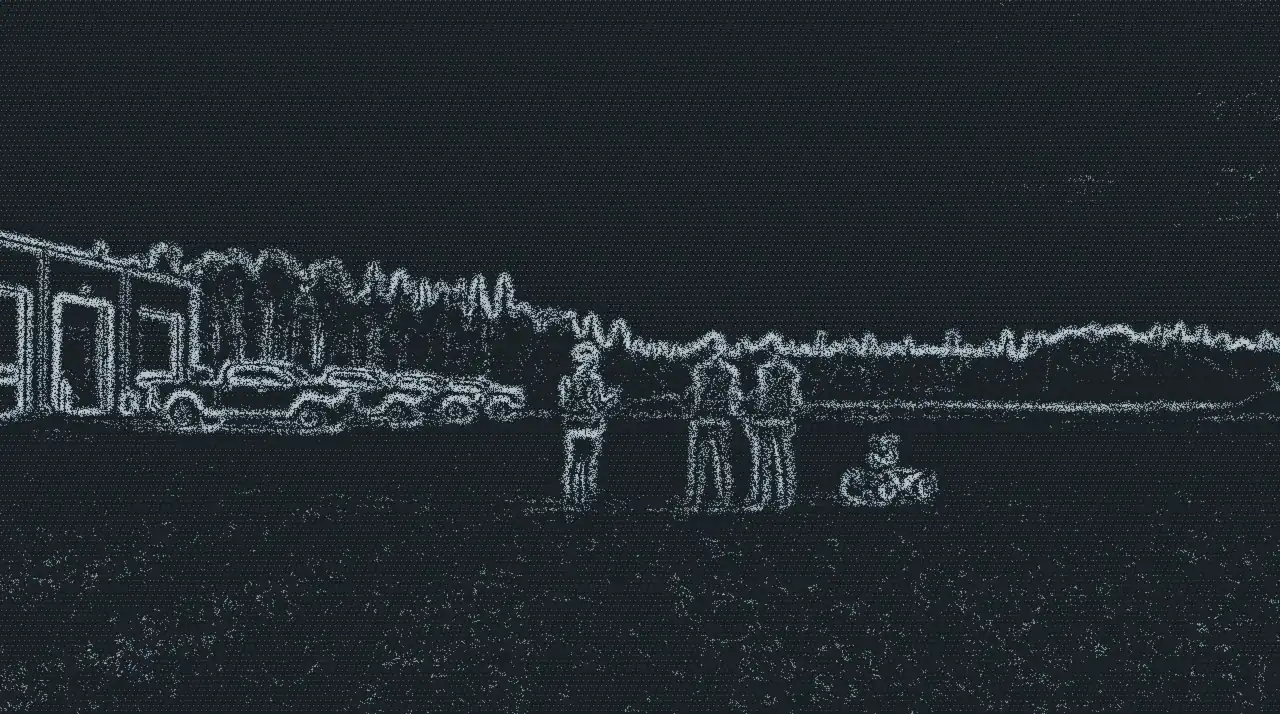 What your people seeSimulated machine view
We help you redesign your organization. We inventory the intelligent work your people do and define the roles and processes for deploying agents and robots alongside them. The costed AI Transformation Blueprint sets out the roles, controls and plan.
Start a Blueprint conversationOther ways to startWhat an AI transformation is
An AI transformation starts with an inventory of your company’s intelligent work: the work of serving customers, solving problems, running efficient operations and creating new things. We use organizational design to assign responsibilities to your people and intelligent machines. Agents handle defined digital tasks and robots handle defined physical tasks. The Blueprint sets out machine job descriptions, updated human job descriptions, process maps, data flows and the hardware and software needed to run them.
How we design roles and processes
Process design
We map what your people do today, the decisions they make and the information they use.
Enterprise data
We trace the data each process needs, where it comes from and who can use it. That map guides the choice of hardware and software.
Role definition
We write machine job descriptions and update human job descriptions. Each defines responsibilities, limits and decisions.
Assign roles and coordinate
We assign responsibilities to people, agents and robots. The process map shows how they work in sync, what gets handed over and when people step in.
From inventory to agent workflow
The Blueprint connects the current organization to the steps an agent executes.
Inventory
Map current responsibilities, decisions and systems.
Organizational design
Use the inventory to assign work and set decision authority.
Redistribute responsibilities
People
Update human job descriptions. Name the owner for approvals, exceptions and decisions.
Machines
Write machine job descriptions. Set inputs, outputs, permissions and when to stop.
Process map
Bring both sets of responsibilities into one sequence, with handoffs and exception paths.
Data flow
Trace approved inputs and outputs to specify access and infrastructure.
Agent workflow
Prepare a next action and its evidence, then route it for decision or act within agreed limits.
From data to action
Automation follows set rules and business intelligence reports what the data shows. Intelligent machines use enterprise data and the outputs of both to create actionable intelligence: a finding, its supporting evidence and a next step. Where authorized, a machine acts on it. When a decision belongs to a person, the machine prepares the evidence and options for that person to act.
What we deliver
AI Transformation
We deliver a costed AI Transformation Blueprint with defined roles, process and data-flow maps, and infrastructure requirements. It includes a fractional Director of Intelligent Work for the term set out in your statement of work. Implementation is scoped separately.
Agents as a Service
We configure and run agents for defined digital processes, from preparing a recommendation to executing an approved action.
Robotics as a Service
We scope and run robots for defined physical tasks, with operating limits, safety controls and recovery steps.
How a change moves through the job
A sample from construction. Follow steps 1 to 6 from a site instruction to a recorded decision. Approval stays with the people named in the process.
Project team
Open the change
Record the site instruction and assign the project manager.
Systems and data
Send the approved inputs
Pass the current drawings, estimate and contract to the agent.
Agent workflow
Prepare the change
Compare scope and draft the response with evidence and schedule effects.
Agent workflow
Route for review
Send the draft to the project manager. Flag missing records.
Project team
Decide the response
Check the evidence and agree how to proceed with the authorized representative.
Systems and data
Record the decision
File the approved response and linked evidence in the project system.
Implementation, where you choose
Once the Blueprint is agreed, we can also carry it out with you: configuring the systems you already use, setting up and managing AI agents, and bringing in robots for physical work. Each piece of work is scoped and agreed with you in writing before it starts, with a named person in your company in charge. We are vendor-neutral and sell no platform.
How we work explains how each piece of work is agreed.
Start with the Blueprint when work and responsibilities still need to be defined, or start directly with a defined agent or robot task when the owner and controls are already clear.
Start a Blueprint conversationOther ways to start