
The Blueprint
AI Transformation
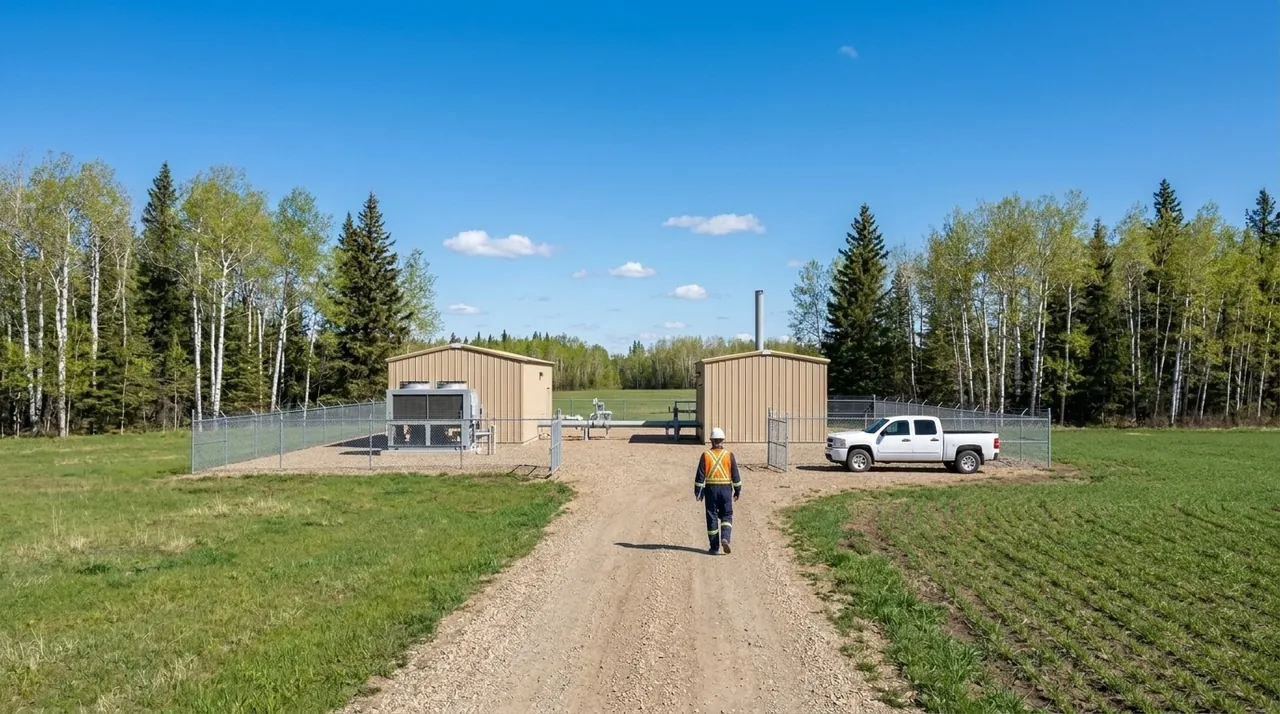
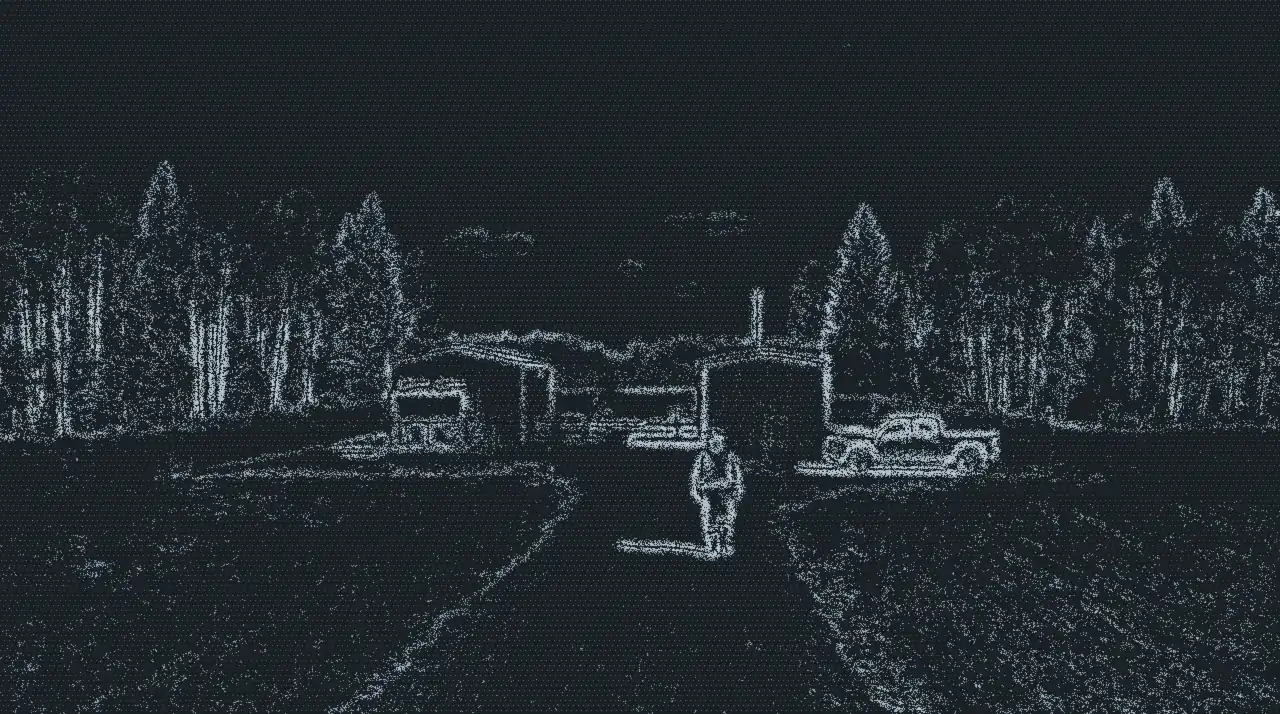 What your people seeSimulated machine view
The AI Transformation Blueprint maps your operation and sets out roles, data flows and infrastructure for people and intelligent machines, with costs.
Start a Blueprint conversationOther ways to startThe AI Transformation Blueprint
The Blueprint is a working model in your client portal. With your team, we map the work people do today, the decisions they make and the processes, data flows and systems they use. The portal shows the current and proposed organization, the plan for moving between them and progress as the work is delivered. You approve every change.
Machine job descriptions set inputs, outputs, controls and when agents or robots should stop or ask for help, while human job descriptions record the responsibilities and decisions your people keep. Process maps and data flows capture those assignments and show what hardware and software each process needs.
First we agree with you, in writing, which departments or lines of work the Blueprint covers and what it will cost, before any work starts. Your owner, board or executive sponsor takes part throughout, with operations, finance, people and technology leads as the work requires. Decisions stay with your authorized people.
The Blueprint in three steps
Baseline the current state
Map the intelligent work your people do today, the information they use and where decisions are made.
Redesign the target state
Use organizational design to assign responsibilities to people, agents and robots, with controls and named decision owners.
Report on both
Set out the proposed roles, process maps, data flows, infrastructure and costs in a sequenced plan.
Leaders go first
Owners and executives start by using AI in their own work: checking its output, protecting information and keeping the judgment. That way they can judge the plan themselves rather than rely on someone else's answer. Leaders who already use AI well can show it and skip that step.
Keeping pace with AI
Your operation and its systems change after the Blueprint is delivered. During the term set out in your statement of work, we update the model in your client portal as the technology, the plan and the work shift, so your transformation keeps pace. That is part of the management of intelligent work, below.
Part of AI Transformation
Management of intelligent work
The Blueprint includes management of intelligent work for the term set out in your statement of work, led by a fractional Director of Intelligent Work. Your leaders keep authority over people and operating decisions. The Director coordinates three activities:
- Transformation: carrying the Blueprint into daily operation.
- Alignment: keeping your people and intelligent machines working to the same plan, within the controls you have agreed.
- Continual updating: revising the design as the technology evolves, and bringing each change to your leadership for approval.
Who leads it
A fractional Director of Intelligent Work leads the design of intelligent work and reports to the Executive Sponsor. Operations retains day-to-day authority over the teams.
Owner
Board
Executive Sponsor
Director of Intelligent Work
Director of Operations
Operating teams
- Direct reporting
- Functional: workflow design
The Board reports to the Owner, and the Executive Sponsor reports to the Board. Both directors report to the Executive Sponsor. Operating teams report directly to the Director of Operations.
Functional: workflow design. The Director of Intelligent Work designs the workflow for the operating teams. Operations runs the work.
Terms
The Blueprint includes the fractional Director of Intelligent Work seat for the term set out in your statement of work. After that, the seat can continue under its own scoped contract.
Works with what you already run
The model covers the systems you already use, such as your email, shared files, accounting software and field systems. We are vendor-neutral and sell no platform.
Use the work cost worksheet to compare the full cost of the same work under different setups. For each system, the Blueprint recommends whether to retain, configure, integrate, replace, custom-build or retire it, based on the work it supports, your data and controls, and its full cost over its life.
From plan to operation
Where you choose, we then implement what the Blueprint calls for under separate scoped contracts: configuring the systems you already use, Agents as a Service for digital work and Robotics as a Service for physical work. You can also start with either of those directly.
Before any work starts, we agree in writing what stays yours and what we hand over when the work ends. Ownership and handover terms are set out in each statement of work.
How the work could change in three roles
A sample from construction. It shows how work could be divided between people and machines in each role.
- Human decision
- Machine work
Estimator
Reports to General manager
With machines
- People decide
- Prices the risk in rates, exclusions and bid strategy.
- Machine support
- Machines compare the bid with past jobs and flag what the drawings leave open.
- Machine responsibilities
- Assemble quantities and draft line items.
Project manager
Reports to General manager
With machines
- People decide
- Weighs entitlement, tests options and negotiates the change.
- Machine support
- Machines compare contract clauses, cost records and schedule scenarios.
- Machine responsibilities
- Draft change orders against the contract.
Controller
Reports to General manager
With machines
- People decide
- Finds the cause of each exception and signs off the numbers.
- Machine support
- Machines trace each exception to its source records and group similar ones.
- Machine responsibilities
- Reconcile job costs and list the exceptions.