
Physical work
Robotics as a Service
Robots are intelligent machines that do physical work. We define each robot’s task, operating limits and recovery steps in a machine job description.
Start a Robotics conversationOther ways to start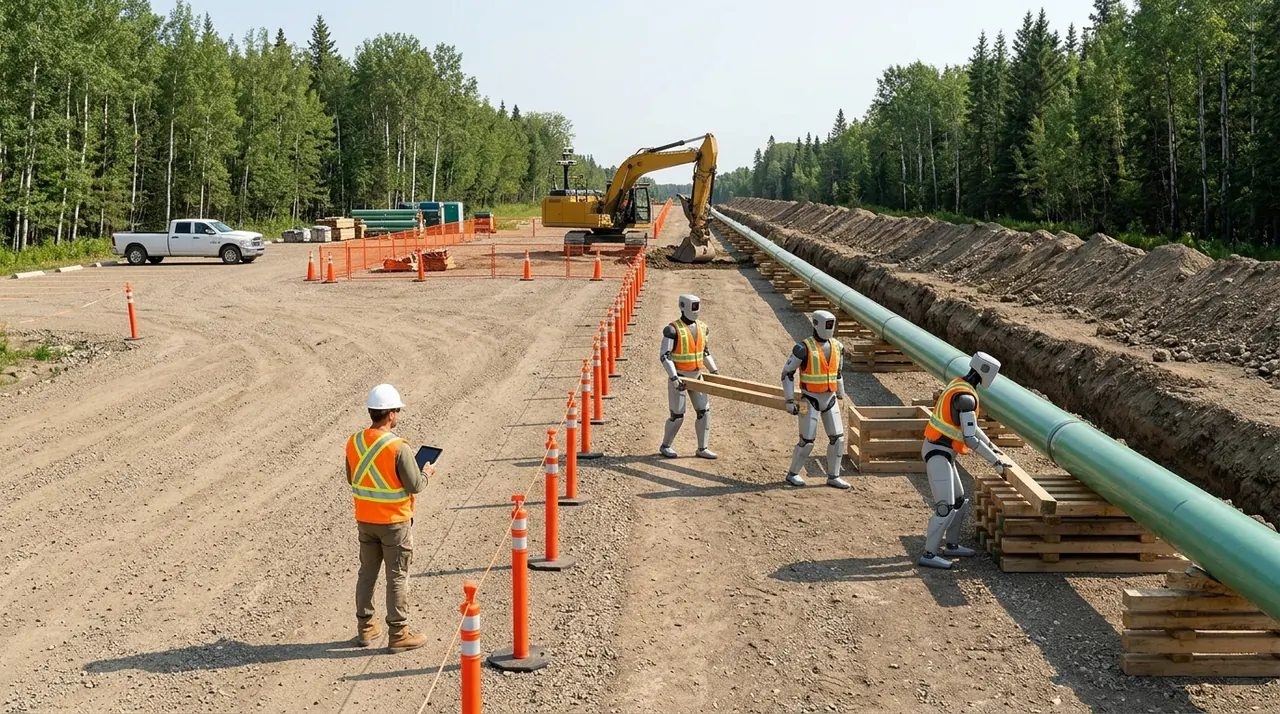
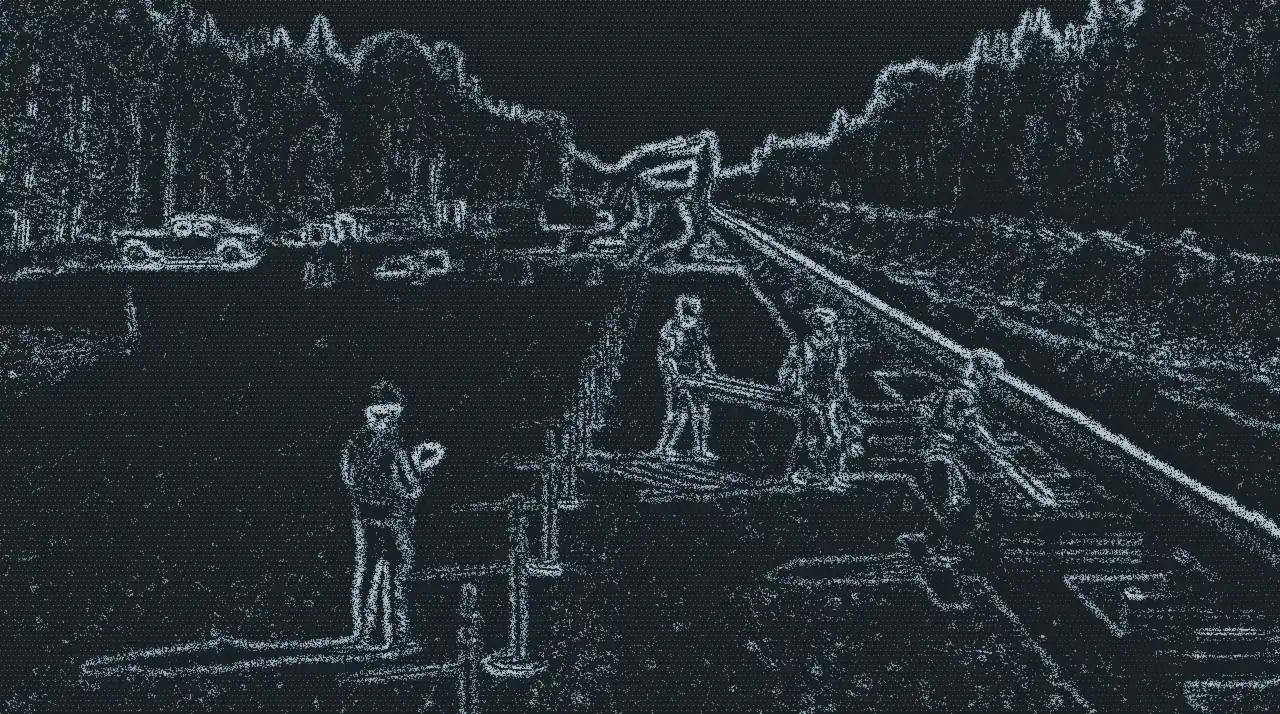 What your people seeSimulated machine view
How this fits the rest of the work
We first set up the digital environment so agents can execute defined steps in software. Robotics as a Service then puts that workflow into the field. An agent directs a physical robot to perform the task within agreed limits, under the named site authority.
Site conditions and safety controls
We design each deployment around the task, site conditions and the people working alongside the robot.
What robots could do
An example of how the process could run.
Stays with your people
Robots could do
Construction
Stays with your people: The superintendent decides what it means for the schedule.
Robots could do: Capturing site progress on a repeat route
Upstream oil and gas
Stays with your people: The operator decides what a reading means on this site.
Robots could do: Routine inspection rounds at remote sites
Oilfield services
Stays with your people: The shop foreman decides which units come off the road.
Robots could do: Inspecting parked units and tanks on a repeat route
Safety comes first
People keep the judgment, the safety authority and the accountability.
A defined task
The work, the person in charge and the limits are agreed first.
A safety check before anything moves
People, equipment, conditions and the recovery plan are confirmed.
Work within the agreed limits
The robot is set up to do the agreed work and nothing more.
Results reported back to a person
What the robot found or did goes to a person to review.
If a check fails, the work does not go ahead until a person clears it. Stopping safely and recovering by hand stay under a person's authority.
Where to start
You can start after an AI Transformation Blueprint, which defines the physical work and who is in charge of it. Or you can start directly, when the work, the site authority and the safety requirements are already clear. We plan maintenance and support with you.
Before any work starts, we agree in writing what stays yours and what we hand over when the work ends. Ownership and handover terms are set out in each statement of work. Equipment and its software stay under their providers' terms.